


Effective Cyberbullying Prevention Steps for Schools

Cyberbullying is a serious issue that affects many students today. I have seen how it can impact young people’s lives, making school a place of fear instead of learning and growth. That’s why I want to share some effective strategies that schools can use to prevent cyberbullying and create a safer environment for everyone. These steps are practical, easy to understand, and designed to involve students, parents, and staff alike.
Understanding Cyberbullying Prevention Steps
Before diving into specific actions, it’s important to understand what cyberbullying prevention really means. It’s not just about stopping bullying after it happens. It’s about creating a culture where bullying is less likely to occur in the first place. This involves education, clear rules, and support systems.
Here are some key steps schools can take:
Educate students and staff about what cyberbullying is and why it’s harmful.
Create clear policies that define unacceptable behavior and consequences.
Encourage open communication so students feel safe reporting incidents.
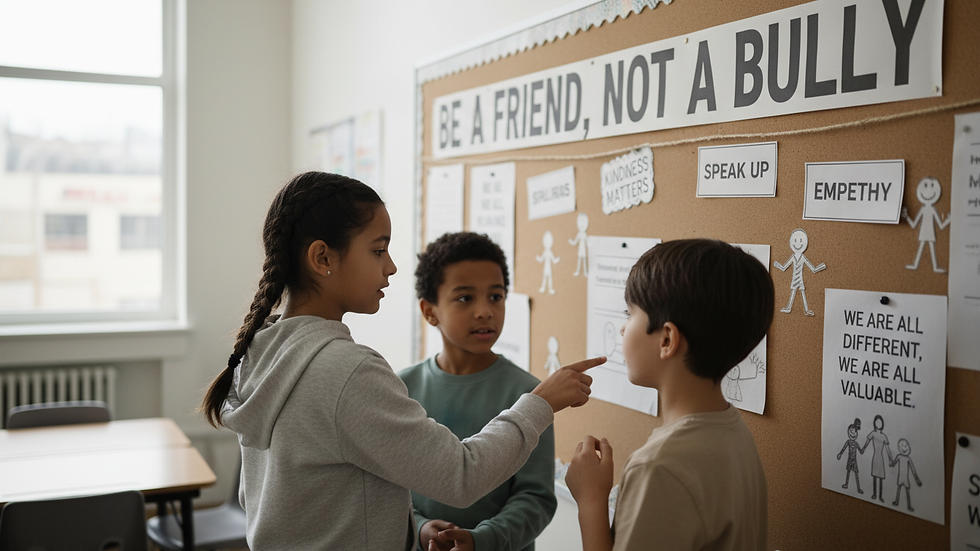
Promote empathy and kindness through programs and assemblies.
Involve parents by keeping them informed and engaged.
By focusing on these areas, schools can build a strong foundation for preventing cyberbullying.

Practical Cyberbullying Prevention Steps in Schools
Now, let me walk you through some practical steps that schools can implement right away. These are based on what I’ve seen work well in real school settings.
1. Start with Awareness Campaigns
Raising awareness is the first step. I recommend organizing workshops and assemblies that explain what cyberbullying looks like and how it affects people. Use real stories to make it relatable. For example, sharing Ryan’s Story, which highlights the consequences of bullying and encourages empathy, can be very powerful.
2. Develop Clear Rules and Consequences
Students need to know exactly what behavior is unacceptable and what will happen if they break the rules. This means having a written policy on cyberbullying that is easy to understand. Make sure it covers online actions like sending hurtful messages, sharing private information, or excluding others from online groups.
3. Train Staff to Recognize and Respond
Teachers and staff are often the first to notice signs of cyberbullying. Training them to recognize these signs and respond appropriately is crucial. This includes knowing how to support victims and how to handle the bullies in a way that encourages change.
4. Create Safe Reporting Channels
Students should feel comfortable reporting cyberbullying without fear of retaliation. Schools can set up anonymous reporting systems or designate trusted adults who students can approach. It’s important to respond quickly and take every report seriously.
5. Foster a Positive School Climate
Encouraging kindness and respect can reduce bullying. Activities like peer mentoring, kindness challenges, and group projects that build teamwork help create a supportive community. When students feel connected, they are less likely to bully others.
6. Engage Parents and Guardians
Parents play a key role in prevention. Schools should provide resources and workshops to help parents understand cyberbullying and how to talk to their children about it. Regular communication between school and home ensures everyone is on the same page.
How to Help a Victim of Cyberbullying?
If you know someone who is being cyberbullied, it’s important to act with care and support. Here’s what I suggest:
Listen and believe them. Let them share their experience without judgment.
Encourage them to save evidence. Screenshots or messages can be important if the school needs to intervene.
Help them report the bullying. Guide them to trusted adults or use the school’s reporting system.
Offer emotional support. Remind them they are not alone and that the bullying is not their fault.
Promote positive activities. Encourage involvement in clubs or hobbies that build confidence and friendships.
By standing with victims, we can help them feel safe and valued.
Building Long-Term Resilience Against Cyberbullying
Prevention is not a one-time effort. It requires ongoing commitment. Schools should regularly review their policies and programs to keep them effective. Here are some ideas for long-term success:
Regularly update training for staff and students.
Celebrate kindness with awards or recognition programs.
Use technology wisely. Teach students about digital citizenship and responsible online behavior.
Encourage student leadership. Let students lead anti-bullying clubs or campaigns.
Monitor social media trends to stay ahead of new bullying tactics.
These steps help create a culture where cyberbullying is less likely to thrive.
Taking Action Together
I believe that by working together, schools can make a real difference. Implementing these cyberbullying prevention steps creates a safer, more welcoming space for everyone. Remember, it’s about more than rules - it’s about building empathy, respect, and support.
If you want to learn more about effective cyberbullying prevention, there are many resources available that can guide schools and families. Let’s keep the conversation going and make sure every student feels safe and valued.
By following these strategies, schools can protect students and foster a positive environment where everyone can thrive. I encourage you to take these steps seriously and be part of the change. Together, we can stop cyberbullying before it starts.


Comments