


Resources for Student Mental Health: Finding Support When You Need It Most

Mental health is something I think about a lot, especially when it comes to students. School can be tough. Between classes, social pressures, and everything else going on, it’s easy to feel overwhelmed. I want to share some helpful resources and ideas that can make a real difference. Whether you’re a student, a parent, or someone who works with young people, knowing where to turn can be a game changer.
Understanding the Importance of Mental Health in School
Mental health isn’t just about avoiding illness. It’s about feeling balanced, coping with stress, and being able to enjoy life. For students, good mental health helps with focus, relationships, and overall happiness. But sometimes, things get hard. Anxiety, depression, and stress can sneak in and make school feel like a heavy burden.
I’ve learned that recognizing when you need help is the first step. It’s okay to admit you’re struggling. Everyone needs support sometimes. Schools and communities offer many resources designed to help students manage their mental health. These resources can provide guidance, counseling, and tools to build resilience.

Practical Resources for Student Mental Health
There are many places to find help. Here are some of the most useful resources I’ve come across:
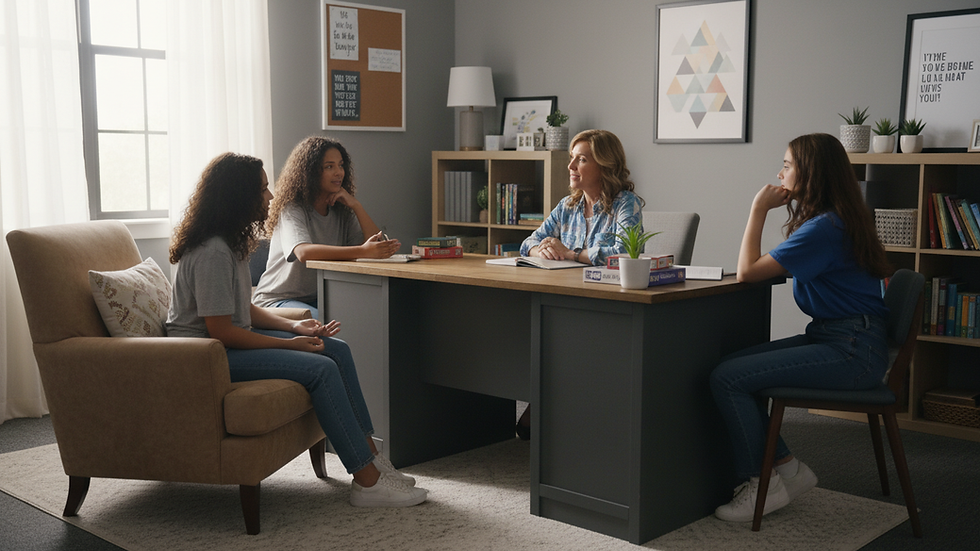
School Counselors and Psychologists: Most schools have trained professionals who can listen and offer advice. They understand the unique challenges students face and can connect you with additional support if needed.
Peer Support Groups: Sometimes talking to someone your own age who understands what you’re going through can be comforting. Many schools have clubs or groups focused on mental health awareness.
Online Mental Health Platforms: Websites and apps offer confidential support, self-help tools, and even live chat with counselors. These can be great for students who prefer to seek help privately or outside school hours.
Community Mental Health Centers: Local clinics often provide counseling and therapy services at low or no cost. They can be a valuable resource for families looking for professional help.
Hotlines and Text Lines: If you need immediate support, hotlines like the National Suicide Prevention Lifeline or crisis text lines are available 24/7. They offer trained responders who can help you through tough moments.
I also want to highlight the importance of parents and school staff in this process. They can encourage students to use these resources and create a supportive environment where mental health is openly discussed.
How to Access and Use These Resources Effectively
Knowing about resources is one thing. Using them is another. Here’s what I suggest:
Start Small: If reaching out feels scary, try talking to a trusted adult first. This could be a teacher, coach, or family member.
Be Honest About Your Feelings: When you do connect with a counselor or support group, share what you’re really experiencing. The more open you are, the better help you’ll get.
Set Realistic Goals: Mental health improvement takes time. Work with your counselor to set small, achievable goals.
Use Multiple Resources: Don’t rely on just one form of support. Combining counseling, peer groups, and self-help tools can be very effective.
Practice Self-Care: Alongside professional help, simple habits like regular sleep, exercise, and mindfulness can boost your mental health.
Remember, seeking help is a sign of strength, not weakness. It shows you care about yourself and your future.

Supporting Each Other: Building a Caring School Community
Mental health isn’t just an individual issue. It’s something we all share responsibility for. I believe schools can be places where kindness and understanding thrive. Here’s how we can all contribute:
Listen Without Judgment: When someone opens up, give them your full attention. Avoid interrupting or offering quick fixes.
Encourage Open Conversations: Talking about mental health should be as normal as talking about physical health.
Promote Awareness Campaigns: Events and activities that educate students about mental health can reduce stigma.
Watch for Warning Signs: Changes in behavior, mood swings, or withdrawal can be signals that someone needs help.
Be an Ally: Stand up against bullying and cyberbullying. These behaviors can severely impact mental health.
By creating a supportive environment, we help everyone feel safer and more connected.
Finding More Help When You Need It
Sometimes, the resources at school or in the community might not be enough. That’s okay. There are many other options to explore:
Therapists and Psychiatrists: Licensed professionals can provide therapy and, if necessary, medication.
Support for Families: Parents can find guidance on how to support their child’s mental health.
Educational Workshops: Many organizations offer training for students and staff on mental health topics.
Online Forums and Communities: Safe, moderated spaces where students can share experiences and advice.
If you want to explore more options, I recommend checking out student mental health resources online. This site offers a wide range of information tailored for students and educators.
Taking the First Step Toward Better Mental Health
I know it can feel overwhelming to reach out for help. But every journey starts with a single step. Whether it’s talking to a friend, visiting the school counselor, or simply learning more about mental health, you’re moving in the right direction.
Remember, you are not alone. There are people ready to listen and support you. Taking care of your mental health is just as important as taking care of your body. It’s okay to ask for help, and it’s okay to take time for yourself.
Together, we can create a world where students feel safe, understood, and empowered to thrive.
If you or someone you know is struggling, don’t hesitate to reach out. Help is available, and your story matters.


Comments