


Why Cyberbullying Effects on Mental Health Matter So Much

I want to talk about something that affects many students today but often goes unnoticed or misunderstood: the impact of cyberbullying on mental health. It’s a topic close to my heart because I’ve seen how words and actions online can deeply hurt someone’s sense of self and well-being. When we think about bullying, we often picture face-to-face confrontations. But cyberbullying is different. It happens through screens, messages, and social media, making it harder to escape and sometimes even more painful.
Understanding Cyberbullying Effects on Mental Health
When I reflect on cyberbullying, I realize it’s not just about mean comments or rumors. It’s about how those actions chip away at a person’s confidence and peace of mind. Students who face cyberbullying often feel isolated, anxious, and depressed. The constant fear of being targeted online can make it difficult to focus on schoolwork or enjoy everyday activities.
One thing I’ve learned is that cyberbullying can lead to serious mental health challenges. For example, a student might start doubting their worth or feel hopeless about the future. These feelings can grow quietly, making it hard for them to ask for help. The anonymity of the internet sometimes encourages bullies to say things they wouldn’t say in person, which can make the attacks feel even more personal and relentless.
I want to emphasize that the effects are not just emotional. They can affect sleep, appetite, and even physical health. When stress builds up, it can cause headaches, stomachaches, and fatigue. This shows how deeply cyberbullying can impact a student’s overall well-being.
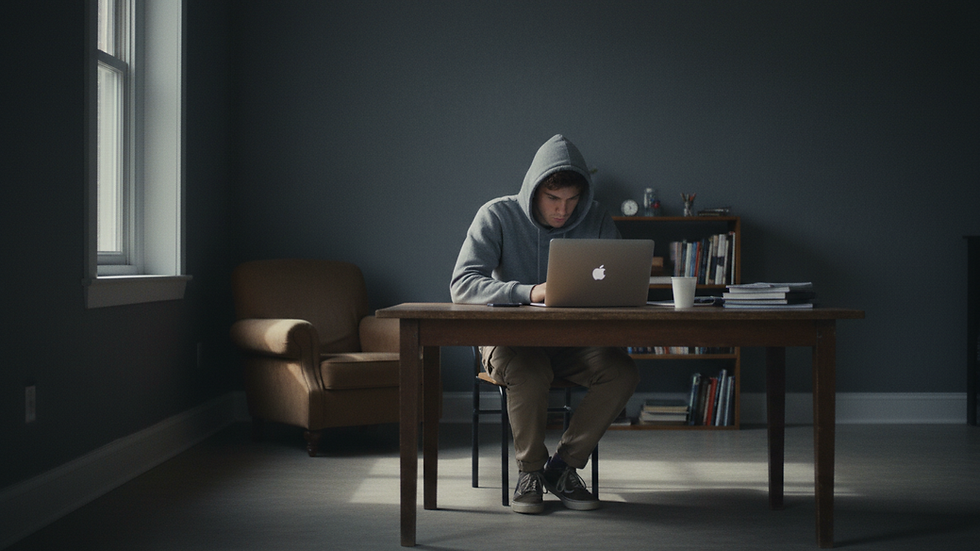
What are some facts about cyberbullying?
It helps me to look at the facts to understand the scope of this problem better. Did you know that nearly 1 in 3 students have experienced some form of cyberbullying? That’s a huge number when you think about how many young people are affected.
Here are some key facts I find important:
Cyberbullying can happen anytime and anywhere, making it feel inescapable.
Social media platforms are common places where cyberbullying occurs.
Girls and boys may experience cyberbullying differently, but both are deeply affected.
Students who are cyberbullied are more likely to experience depression, anxiety, and even consider self-harm.
Many students do not report cyberbullying because they fear retaliation or believe adults won’t understand.
Knowing these facts helps me see why it’s so important to create safe spaces where students feel comfortable sharing their experiences. It also reminds me that prevention and support need to be ongoing efforts.
How Cyberbullying Impacts Daily Life
I want to share some examples of how cyberbullying can affect a student’s daily life. Imagine waking up every day wondering if you’ll see hurtful messages or posts about you online. This constant worry can make it hard to concentrate in class or enjoy time with friends.
Some students might start avoiding social media or even school to escape the bullying. This withdrawal can lead to loneliness and make it harder to build healthy relationships. Others might try to fight back or respond aggressively, which can escalate the situation and cause more stress.
I’ve also noticed that cyberbullying can affect family dynamics. When a student is struggling, parents and siblings might feel helpless or unsure how to support them. This can create tension at home, adding to the student’s stress.
The good news is that understanding these impacts can help us find ways to support students better. Encouraging open conversations and teaching digital kindness are steps we can all take.

What Can We Do to Help?
I believe that everyone has a role in addressing cyberbullying and its effects on mental health. Here are some practical steps I think can make a difference:
Listen and Believe - If someone shares their experience with cyberbullying, listen without judgment. Let them know they are not alone.
Educate About Online Behavior - Teach students about the impact of their words and actions online. Encourage empathy and respect.
Create Clear Policies - Schools should have clear rules and consequences for cyberbullying. This helps students feel safer and more supported.
Promote Mental Health Resources - Make sure students know where to find help, whether it’s a counselor, trusted adult, or support group.
Encourage Positive Online Communities - Highlight stories of kindness and support online to counteract negativity.
I also think it’s important to remind students that asking for help is a sign of strength, not weakness. Sometimes just talking about what’s happening can lighten the burden.
Moving Forward with Hope and Support
I want to end by saying that while cyberbullying can have serious effects, there is hope. By working together, we can create environments where students feel safe, valued, and understood. Sharing stories, like Ryan’s Story, helps build empathy and reminds us all that behind every screen is a real person with feelings.
If you or someone you know is struggling, remember that help is available. You don’t have to face this alone. Together, we can make a difference in the lives of students affected by cyberbullying.
For more information on cyberbullying and mental health, I encourage you to explore trusted resources and reach out for support when needed. Every step toward kindness and understanding counts.
Thank you for taking the time to read and reflect on this important issue. Let’s keep the conversation going and support one another every day.


Comments